



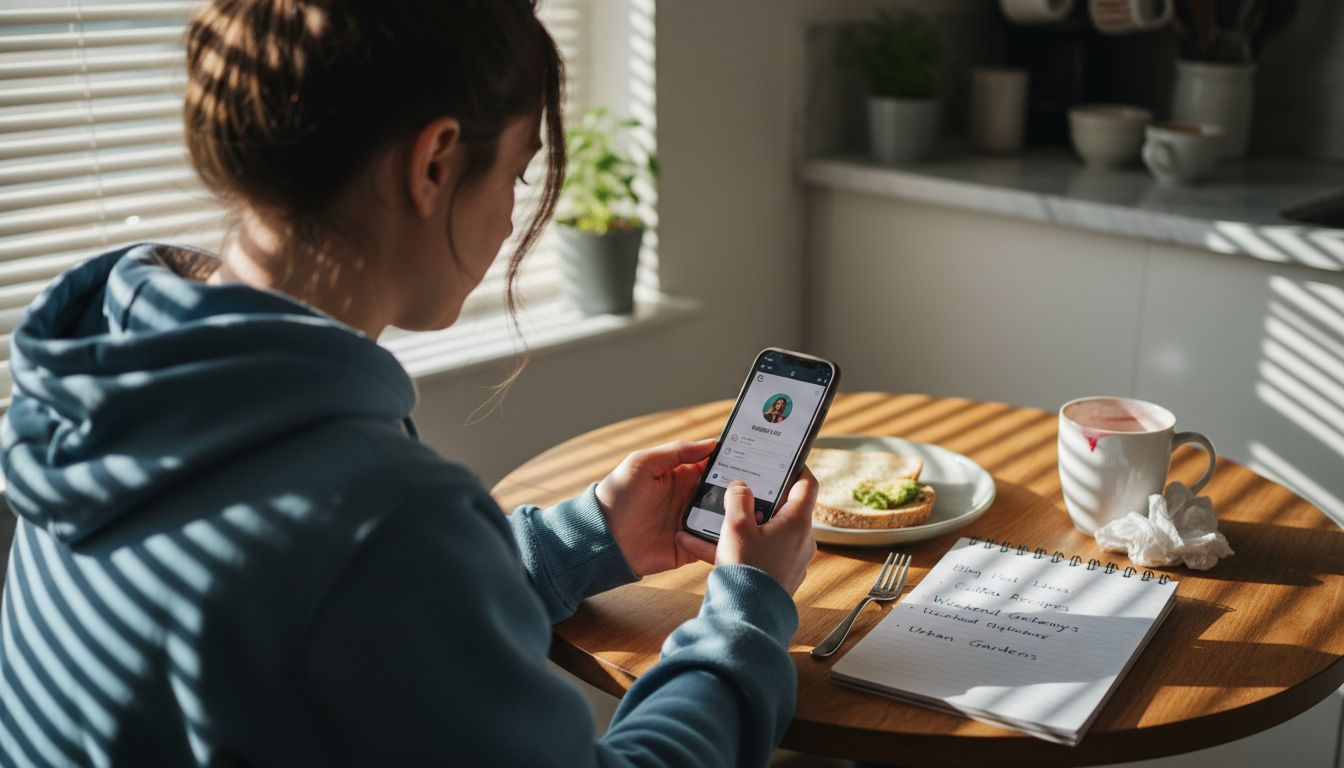
Launching a blog on Instagram can feel like setting the stage for your brand’s future audience. With your account as the digital home for your ideas, the right setup lets you attract followers who truly connect with your story. By focusing on a clear bio, purposeful profile details, and strategic settings, you unlock the power to create meaningful connections. A well-crafted Instagram profile is the foundation of a successful blog, and this guide will walk you through building a vibrant space for your growth.
Quick Summary
| Key Point | Explanation |
|---|---|
| 1. Set up a strategic Instagram profile | Choose a niche-focused username and create a compelling bio that reflects your blog’s style and attracts followers. |
| 2. Define your niche for targeted content | Identify a specific topic that merges your passions and expertise to effectively engage a dedicated audience. |
| 3. Plan diverse and engaging content | Create a content calendar with a variety of post types to maintain audience interest and enhance interaction. |
| 4. Utilize automation tools wisely | Implement tools to automate tasks like scheduling and responding to interactions to save time and increase engagement. |
| 5. Track performance metrics regularly | Monitor key metrics like impressions and follower growth to refine your strategy and improve overall blog performance. |
Step 1: Set up your Instagram account for blogging
Creating a personal blog on Instagram starts with setting up a strategic profile that attracts and engages your target audience. Your Instagram account will serve as the central hub for your content and personal brand, so getting the setup right is crucial.
To begin, download the Instagram app and create a new account specifically for your blog. Choose a username that reflects your blog’s niche or personal brand identity clearly. When crafting your profile, pay special attention to your profile page details. Your bio should succinctly describe who you are, what your blog focuses on, and why followers should care. Include a clear profile picture that represents your personal or blog brand professional yet approachably.
While setting up, take time to adjust your privacy and interaction settings. Decide whether you want a public or private account based on your blogging goals. Public accounts provide broader reach, while private accounts offer more controlled audience interactions. Add a link to your website or blog in the website field to drive traffic and provide additional context about your content.
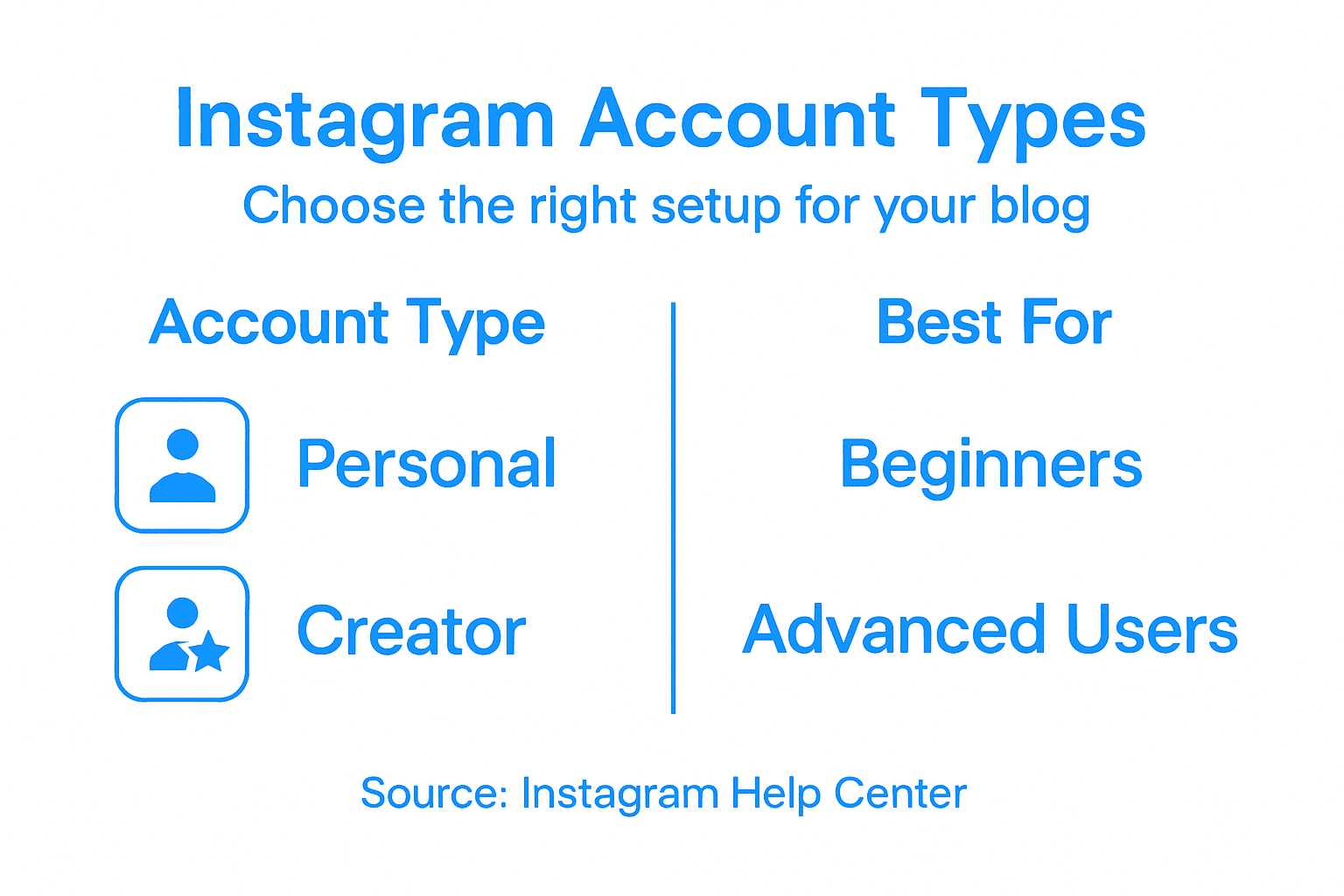
Here’s how different Instagram account types support blogging goals:
| Account Type | Audience Reach | Content Control | Best For |
|---|---|---|---|
| Public | Maximum visibility | Open interactions | Growing large audiences |
| Private | Restricted access | Approved followers | Smaller, engaged community |
| Creator/Business | Advanced analytics | Promotional tools | Monetization and growth |
Pro tip: Select a high-resolution profile picture that looks clear and professional even when scaled down to thumbnail size, as this is often how potential followers will first discover your account.
Step 2: Define your blog niche and style
Successfully creating a personal Instagram blog requires identifying a clear, focused niche that distinguishes your content and attracts a dedicated audience. Your niche will serve as the foundation for your entire content strategy and personal brand.
Defining a specific content niche involves deep self reflection and market research. Start by assessing your personal passions, professional expertise, and unique perspectives. Consider what topics you can consistently create engaging content about and where your authentic knowledge intersects with audience interests. The goal is to find a specialized segment where you can establish authority and provide genuine value.
To pinpoint your ideal niche, analyze potential audience demographics, current market trends, and your own skills. Content creators can identify their niche by examining their interests, professional background, and areas where they can offer distinctive insights. Look for a balance between your passion, expertise, and market demand. This might mean focusing on a specific subset of a broader category like sustainable fashion, tech minimalism, urban gardening, or wellness for working professionals.
Pro tip: Conduct a thorough content audit of potential competitors in your chosen niche to identify gaps and unique angles you can explore to differentiate your Instagram blog.
Step 3: Design a compelling bio and profile
Your Instagram profile is your digital first impression. Crafting a standout bio and profile that captures your unique personality and blog essence will be critical in attracting and retaining followers who resonate with your content.
When creating your profile, focus on completing your Instagram profile details strategically. Your username should be memorable and aligned with your blog niche typically incorporating your name or blog topic. Choose a profile picture that represents your personal brand authentically. For most bloggers, this means a clear headshot or a professional logo that visually communicates your content style.
Compose a bio that tells a compelling story in limited characters. Writing an impactful social media bio requires distilling your unique value proposition into a concise, engaging narrative. Include your primary topic, a hint of personality, and a clear call to action. Consider using relevant emojis sparingly to add visual interest. Add a link to your website or most important content hub to drive traffic beyond Instagram.
Pro tip: Use Instagram highlights strategically to showcase your blog categories and create a visual portfolio that gives potential followers an instant understanding of your content range.
Step 4: Plan and create engaging content
Building a successful Instagram blog requires strategic content planning that captures your audience’s attention and consistently delivers value. Your content strategy will be the backbone of your blogging journey, determining how effectively you connect with followers.

Start by exploring Instagram marketing content strategies that help you develop a cohesive approach to visual storytelling. Create a content calendar that balances different types of posts including educational content, personal insights, behind the scenes moments, and interactive elements like polls or questions. Aim to maintain a consistent visual aesthetic that reflects your blog’s unique personality. This means selecting a color palette, using similar filters, and developing a recognizable style that makes your content instantly identifiable.
Focus on understanding your target audience deeply. Research their interests, pain points, and content consumption habits. Develop content themes that provide genuine value whether through entertainment, education, inspiration, or problem solving. Mix your content formats between static posts, carousel posts, reels, and stories to keep your feed dynamic and engaging. Always prioritize quality over quantity, ensuring each piece of content tells a meaningful story and connects authentically with your followers.
Pro tip: Create a content bank of 15 to 20 pre designed posts in advance to maintain consistent posting during busy periods and reduce daily content creation stress.
Step 5: Leverage automation tools for engagement
Streamlining your Instagram blogging workflow requires strategic use of automation tools that can save time and enhance audience interaction. Effective automation allows you to maintain consistent engagement without being tethered to your phone 24/7.
Start by exploring marketing automation strategies that can help manage repetitive tasks efficiently. Look for tools that can schedule posts, automatically respond to direct messages, track follower interactions, and provide analytics insights. These platforms can help you maintain a steady content flow, respond promptly to audience comments, and analyze your blog performance without manual intervention.
Consider implementing automation for key interaction points like comment responses, story reactions, and direct message management. Carefully select tools that integrate smoothly with Instagram policies to avoid potential account restrictions. Prioritize platforms that offer personalized auto response templates, allowing you to maintain an authentic voice while reducing manual workload. Focus on tools that provide detailed engagement metrics, helping you understand your audience behavior and refine your content strategy continuously.
Pro tip: Always review and periodically update your automated responses to ensure they remain relevant and reflect your current brand voice and audience needs.
Step 6: Track growth and refine your strategy
Successful Instagram blogging requires continuous monitoring and strategic adjustment of your content approach. Understanding how your audience interacts with your blog will be crucial in developing a sustainable and growing online presence.
Utilize the Instagram Professional Dashboard to gain comprehensive insights into your account performance. This powerful tool provides detailed analytics on reach, engagement rates, follower demographics, and content performance. Pay close attention to metrics like impressions, profile visits, website clicks, and audience growth rate. These numbers will help you understand which content resonates most with your followers and where you can improve your strategy.
Below is a summary of essential Instagram metrics to track for blog growth:
| Metric | What It Measures | Why It Matters |
|---|---|---|
| Impressions | Number of views | Shows content visibility |
| Profile Visits | Visits to profile page | Gauges interest in brand |
| Website Clicks | Traffic to website | Reflects conversion potential |
| Follower Growth | New followers added | Indicates audience expansion |
Regularly analyze your top performing posts and identify patterns in content type, timing, and style that generate the most engagement. Look beyond surface level metrics and dig into audience behavior trends. Are certain types of posts getting more saves? Which stories generate the most interactions? Use these insights to continuously refine your content strategy, experimenting with different formats, topics, and posting times to optimize your blog’s growth and audience connection.
Pro tip: Create a monthly analytics review ritual where you screenshot and archive key performance metrics to track long term growth trends and maintain a clear visual record of your Instagram blog evolution.
Simplify Your Instagram Blogging Journey With Smart Automation
Starting a personal blog on Instagram demands time and consistent engagement to build a loyal audience. From crafting compelling bios to managing daily interactions with followers and responding to comments, these essential tasks can quickly become overwhelming. The challenge is maintaining authentic connections while juggling content creation and growth strategy.
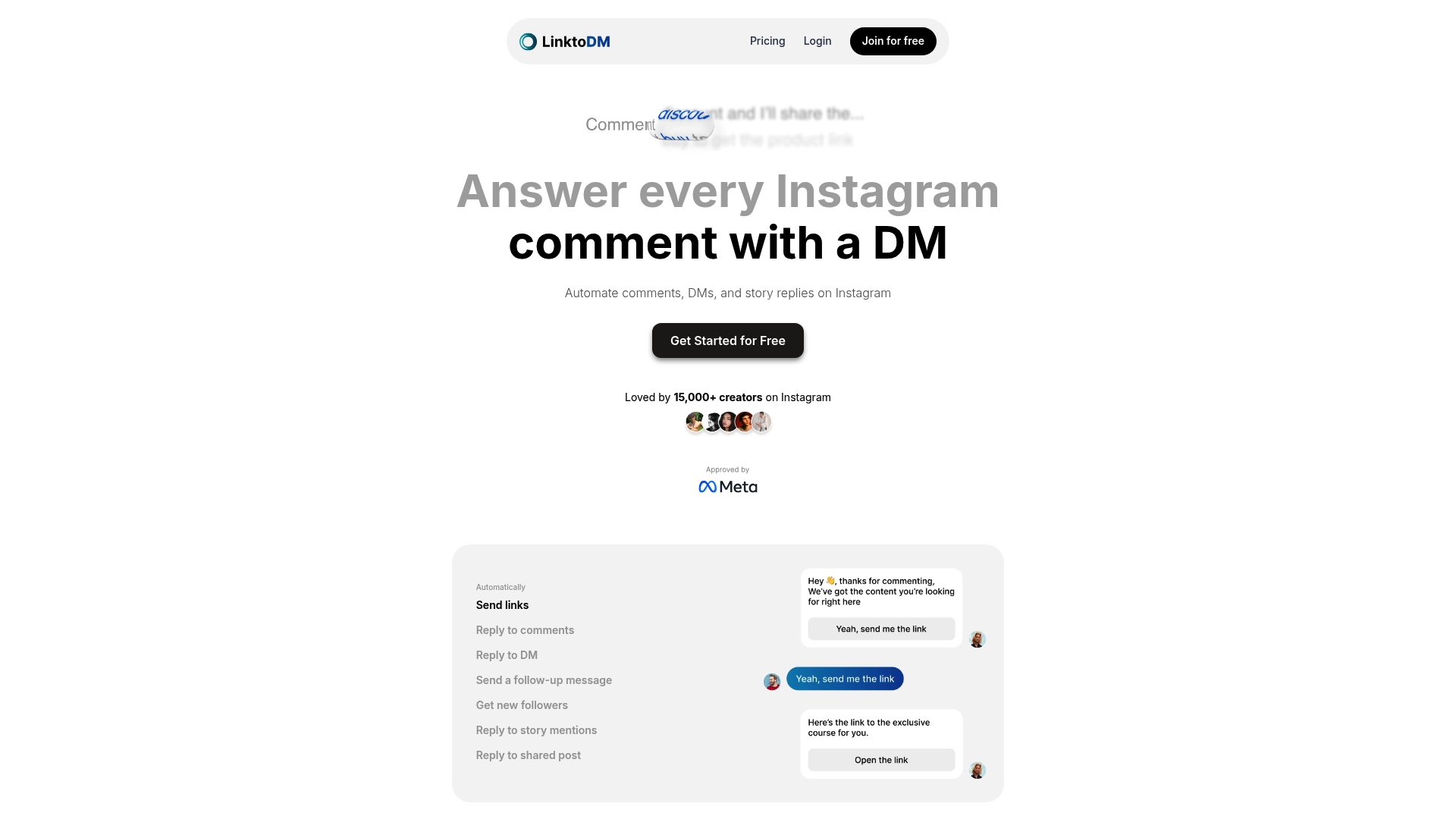
That is where LinktoDM comes in. Designed specifically for creators following guides like “How to Create a Personal Blog on Instagram Easily,” our platform automates replies to comments, DMs, and story interactions so you stay connected without constant manual effort. With AI-powered templates and advanced tracking tools, you can effortlessly nurture leads, boost follower growth, and gain actionable insights to refine your content strategy. Don’t let engagement management drain your energy. Visit LinktoDM today and take control of your blog’s growth with automation built for Instagram creators.
Frequently Asked Questions
How do I set up my Instagram account for blogging?
To set up your Instagram account for blogging, download the Instagram app and create a new account specifically for your blog. Choose a username that reflects your blog’s niche and craft a bio that clearly describes your focus and audience value.
What should I include in my Instagram bio?
Your Instagram bio should include a brief description of who you are, what your blog covers, and a call to action. Keep it engaging and consider using emojis to add some personality.
How can I identify my blog niche on Instagram?
To identify your blog niche, reflect on your passions and expertise while analyzing audience interests and market demand. Aim for a focused area where you can consistently create valuable content, like vegan recipes or DIY home improvements.
What types of content should I create for my Instagram blog?
You should create a mix of educational, entertaining, and interactive content that resonates with your audience. Consider using formats like static posts, carousels, reels, and stories to keep your feed dynamic and engaging.
How can I track my growth on Instagram?
Track your growth on Instagram by utilizing the platform’s analytics features, which provide insights on reach, engagement rates, and follower demographics. Regularly review key metrics like impressions and profile visits to fine-tune your content strategy.
What automation tools can I use for Instagram engagement?
Use automation tools to schedule posts, manage comments, and track follower interactions effectively. Look for tools that integrate well with Instagram policies to maintain seamless engagement without sacrificing authenticity.

'%3e%3cpath%20d='M14.8156%200H1.18125C0.528125%200%200%200.515625%200%201.15313V14.8438C0%2015.4813%200.528125%2016%201.18125%2016H14.8156C15.4688%2016%2016%2015.4813%2016%2014.8469V1.15313C16%200.515625%2015.4688%200%2014.8156%200ZM4.74687%2013.6344H2.37188V5.99687H4.74687V13.6344ZM3.55938%204.95625C2.79688%204.95625%202.18125%204.34062%202.18125%203.58125C2.18125%202.82188%202.79688%202.20625%203.55938%202.20625C4.31875%202.20625%204.93437%202.82188%204.93437%203.58125C4.93437%204.3375%204.31875%204.95625%203.55938%204.95625ZM13.6344%2013.6344H11.2625V9.92188C11.2625%209.0375%2011.2469%207.89687%2010.0281%207.89687C8.79375%207.89687%208.60625%208.8625%208.60625%209.85938V13.6344H6.2375V5.99687H8.5125V7.04063H8.54375C8.85938%206.44063%209.63438%205.80625%2010.7875%205.80625C13.1906%205.80625%2013.6344%207.3875%2013.6344%209.44375V13.6344Z'%20fill='%23B1B1B1'/%3e%3c/g%3e%3cdefs%3e%3cclipPath%20id='clip0_6304_15414'%3e%3crect%20width='16'%20height='16'%20fill='white'/%3e%3c/clipPath%3e%3c/defs%3e%3c/svg%3e)

